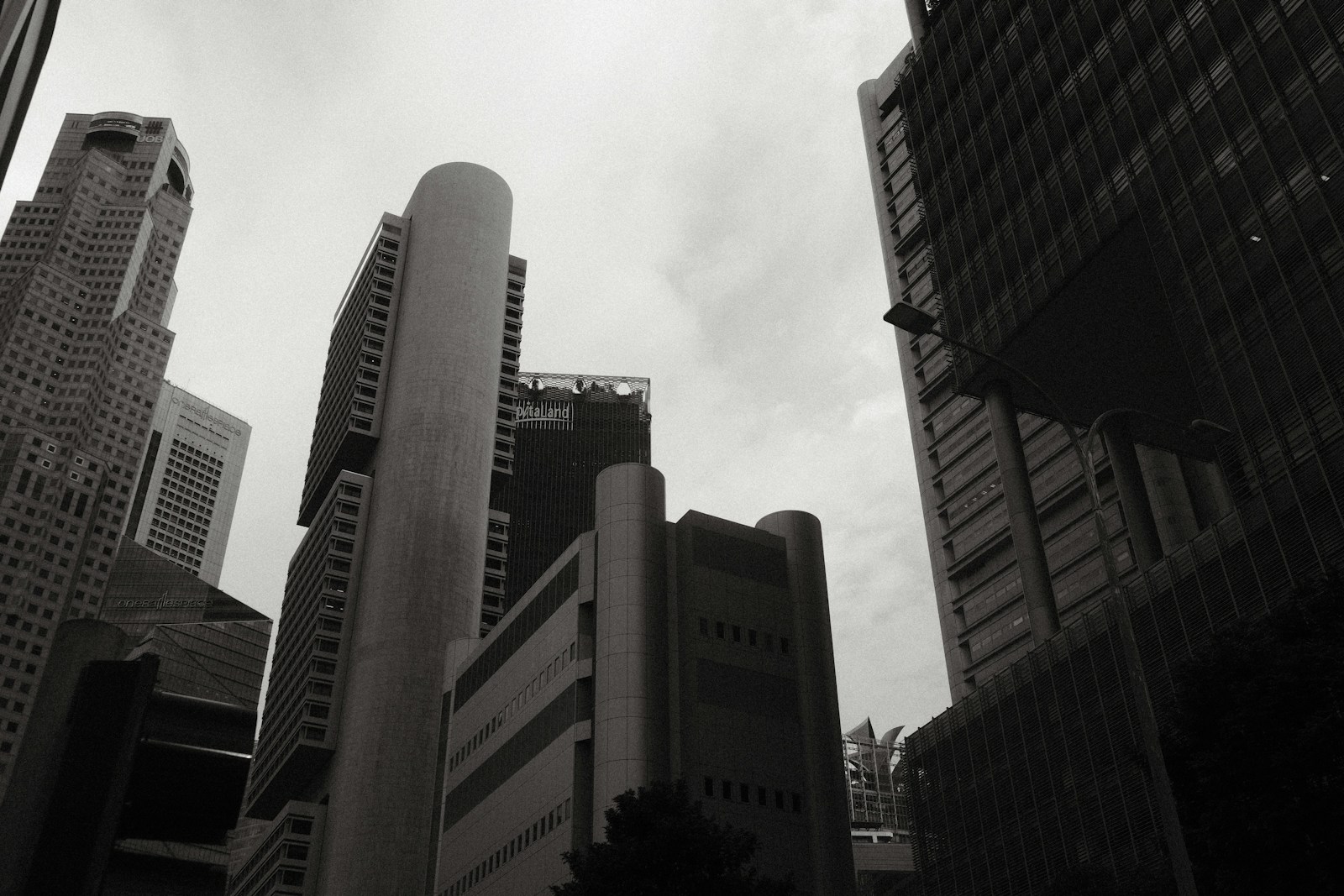
From Fishing Village to Metropolis
Singapore’s transformation is nothing short of miraculous. In just a few decades, it evolved from a humble trading port into one of the world’s most prosperous nations. Today, it stands as a beacon of progress. It boasts a thriving economy, world-class infrastructure, and a commitment to sustainable living.
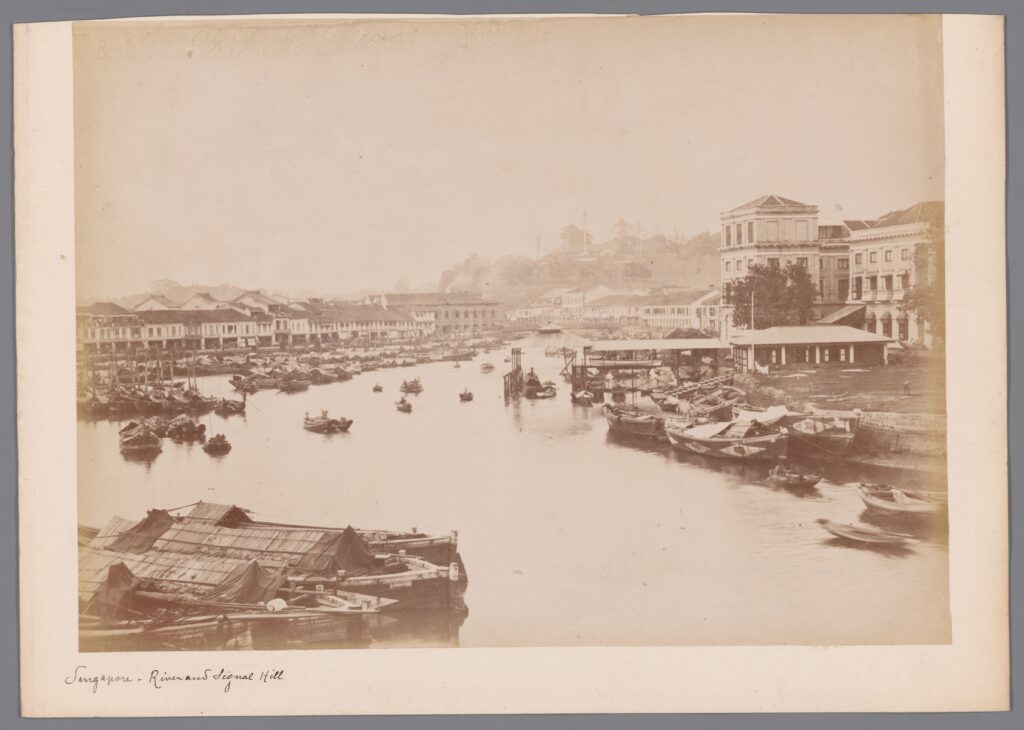
Singapore wasn’t always a glittering metropolis.
In the early 1900s, it was a simple fishing village.
Boats bobbed in the harbors.
Villagers hauled nets at dawn and traded their catch at small markets.
Wooden houses lined the shores, and life moved to the rhythm of the tides.
Markets bustled with fish, spices, and local produce.
People gathered to share stories, celebrate festivals, and sustain their tight-knit communities.
There was no skyline, no skyscrapers, no gleaming towers — just the sun rising over calm waters.
Slowly, change began.
Trade expanded, ports grew, and people from around the region arrived seeking opportunity.
The village evolved into a town.
The town became a city.
By the late 20th century, Singapore had become a hub of commerce, culture, and innovation.
Its skyline transformed, streets filled with life, and bold visions for the future began to take shape.
From humble fishing roots to a forward-thinking metropolis, Singapore’s journey is a story of ambition, adaptation, and vision.
Singapore didn’t just grow, it transformed.
From a trading port to a global hub, the city embraced bold ideas.
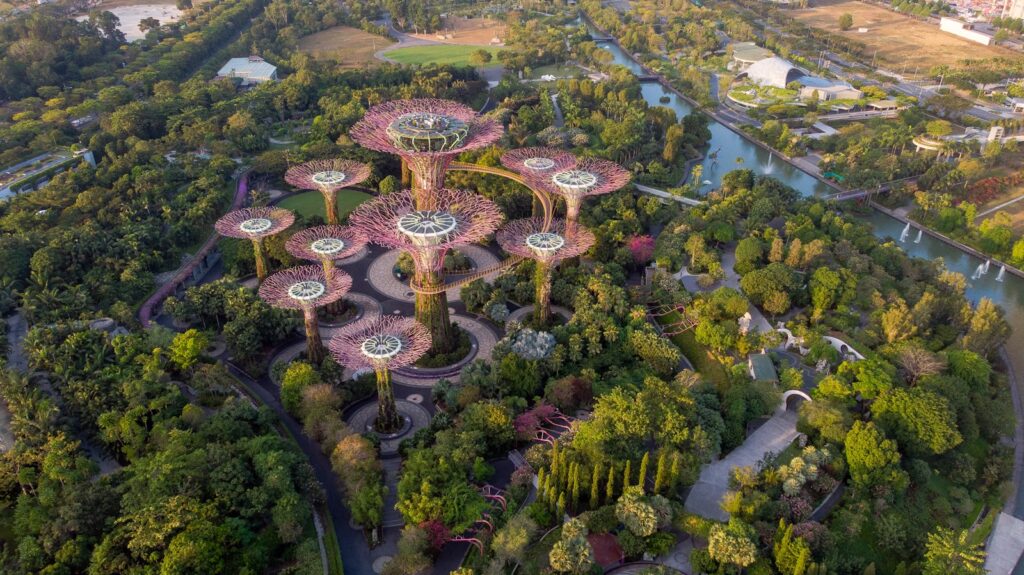
Gardens by the Bay is one of those ideas made real.
Supertrees rise like futuristic sentinels.
Climate-controlled domes shelter plants from around the world.
It shows how Singapore blends nature with innovation.
Visitors walk along elevated paths, greenery all around, skyline all above.
It’s more than a park.
It’s a statement of vision, sustainability, and forward-thinking spirit.
Every step reminds you:
Singapore is a city that dares to imagine the future while honoring its past.
